
Form, Function and Creativity
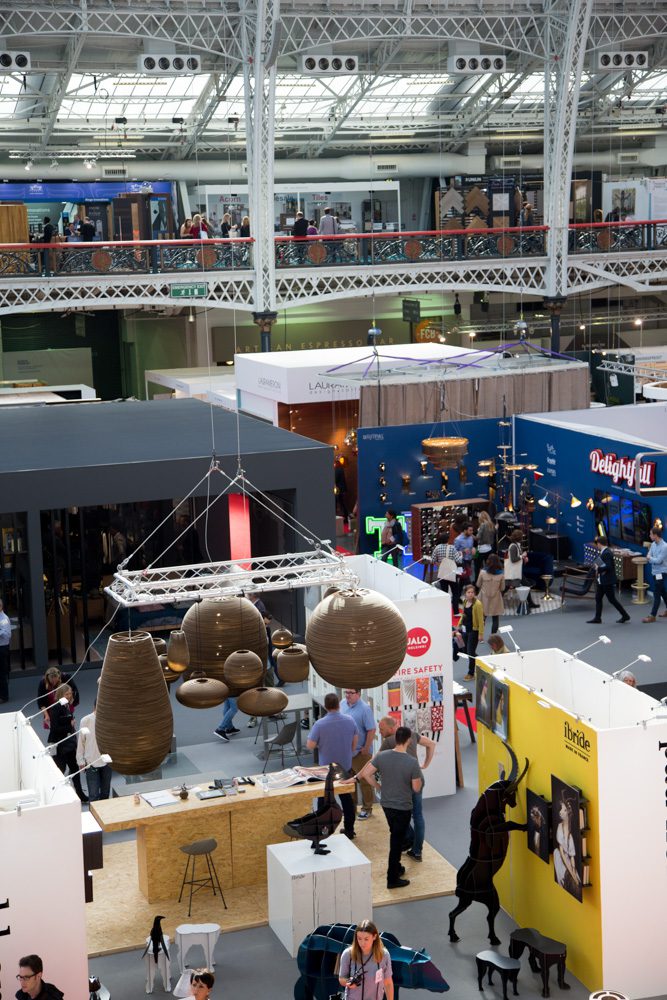
Design Junction created a dynamic meeting point for contemporary design, bringing together furniture, lighting, interiors, accessories and experimental ideas within an unmistakably London setting. Rather than presenting design as something isolated from everyday life, the showcase placed products within carefully considered environments. Furniture became part of an interior, lighting transformed a space and individual objects were presented as pieces of a larger visual composition. This mixture of product and environment gave the event its distinctive character.
Contemporary Design, Clearly Presented
One of the strengths of Design Junction was the variety of work on display. Established design brands appeared alongside smaller studios and emerging designers, creating a broad view of contemporary design. Furniture, lighting and accessories were united by an emphasis on form and function. Clean lines could sit alongside more expressive shapes, while traditional materials were reinterpreted through contemporary construction and technology. The event’s programme has historically brought together hundreds of brands and product launches, alongside installations, retail spaces and talks, making it as much a meeting place for the design community as a product showcase.
Furniture as Sculpture
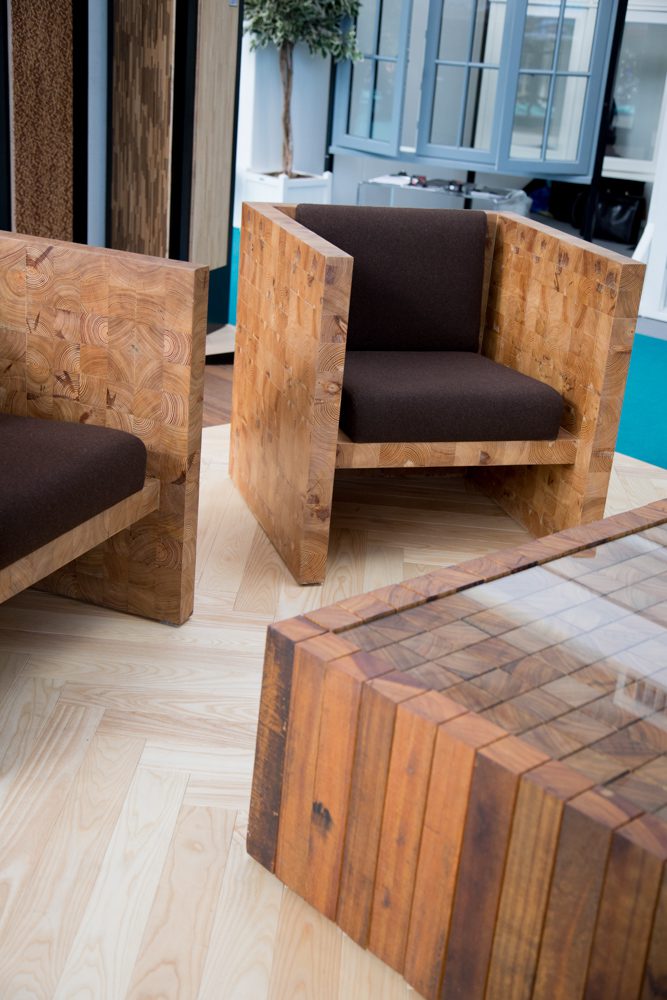
Furniture was particularly effective within the exhibition environment. Chairs, tables, shelving and occasional pieces could be appreciated not simply for their practical purpose but for their sculptural qualities. Proportion, silhouette and construction became important visual elements, allowing a functional object to take on the presence of an artwork. This relationship between furniture and architecture also made the pieces particularly photogenic. A chair positioned against a simple wall could become an exercise in shape and balance, while a collection of objects could create an entire interior composition.
Light, Colour and Material
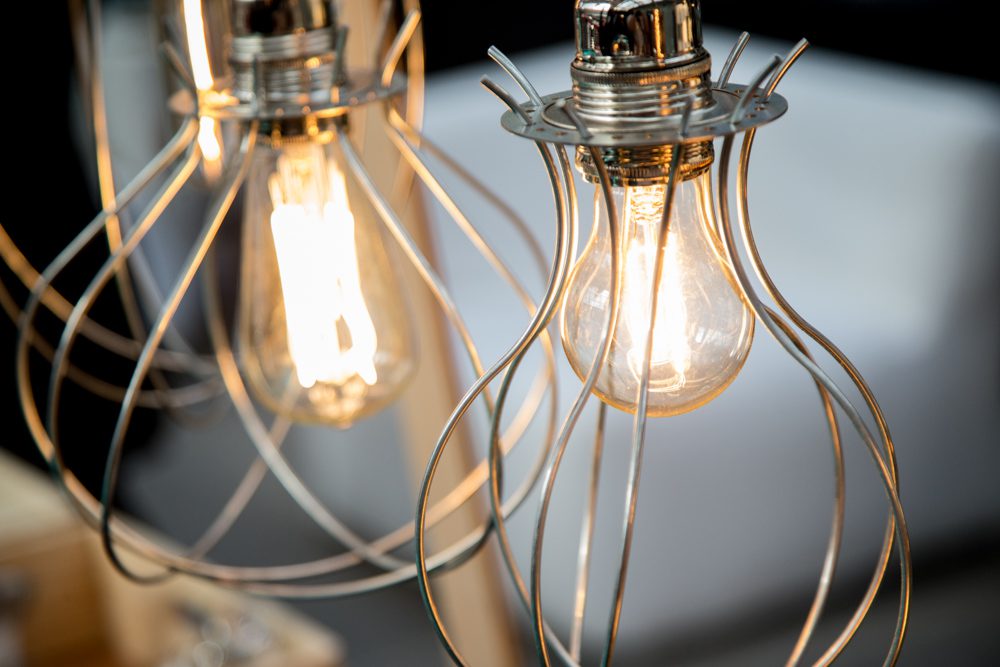
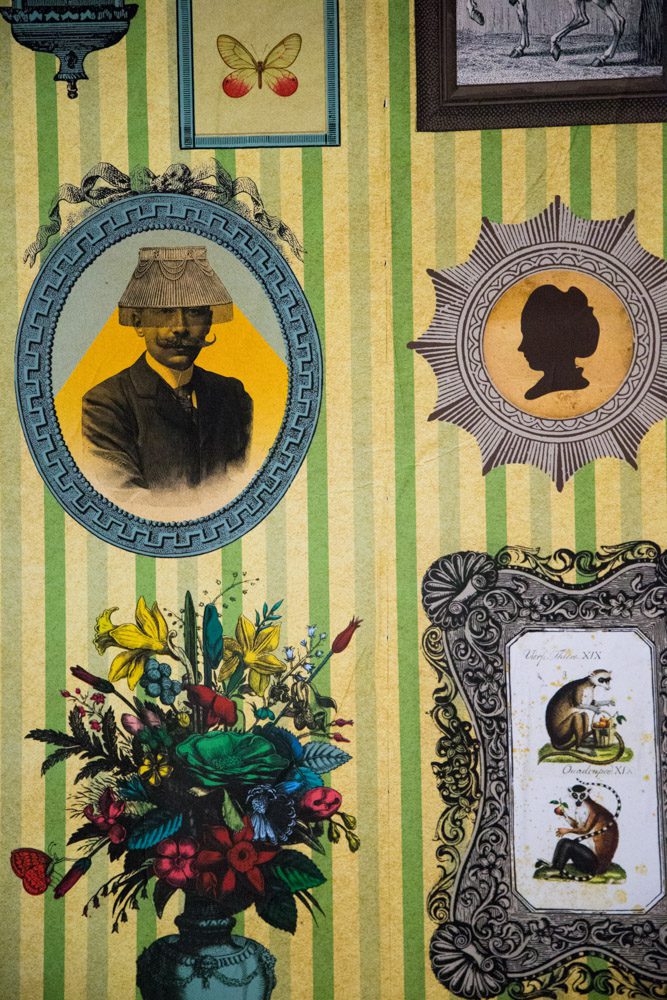
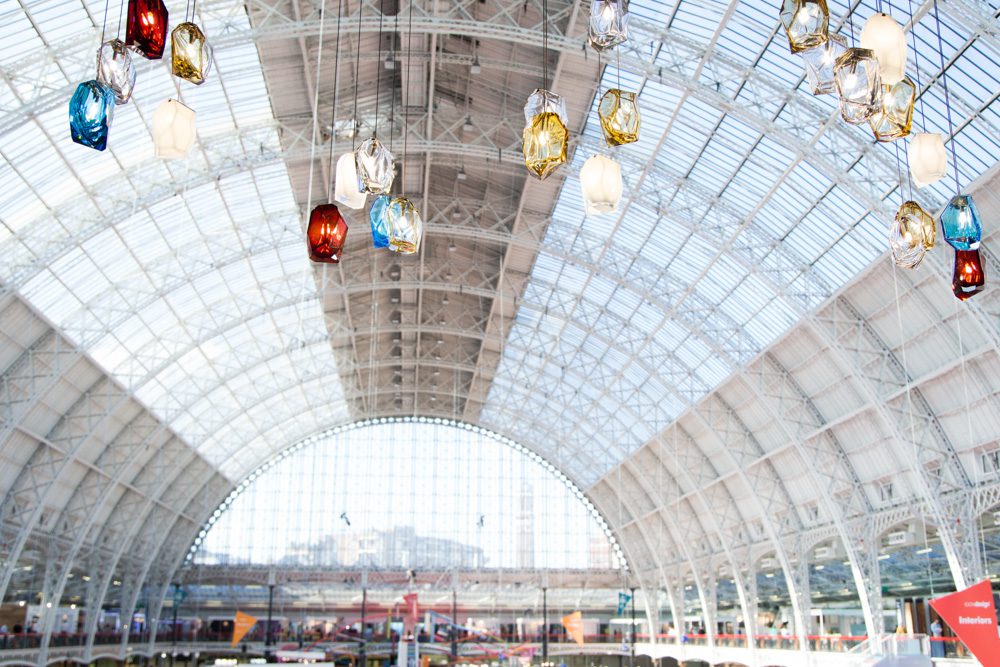
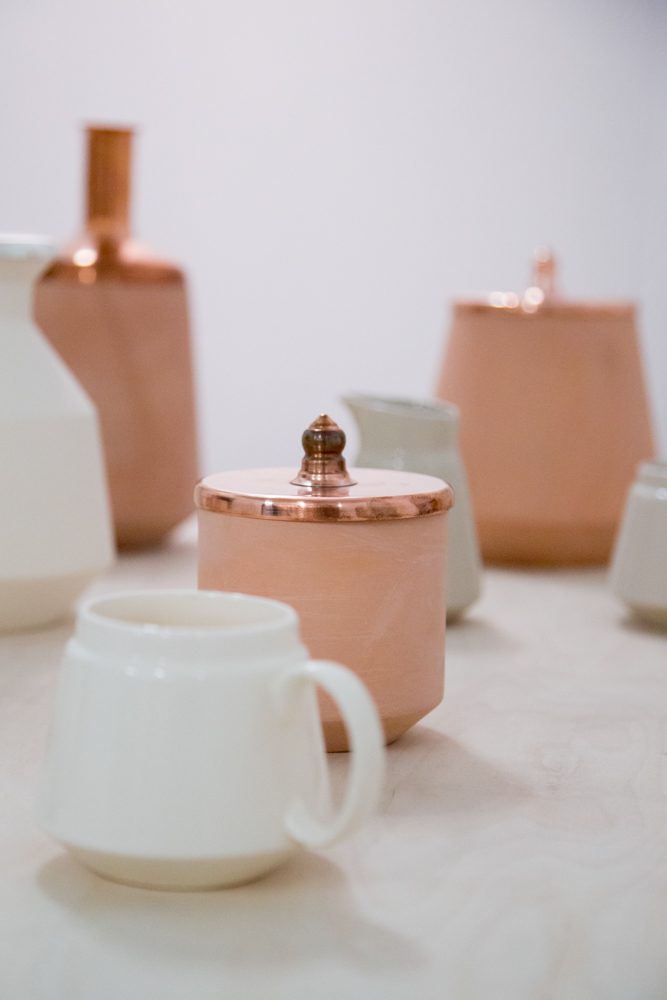
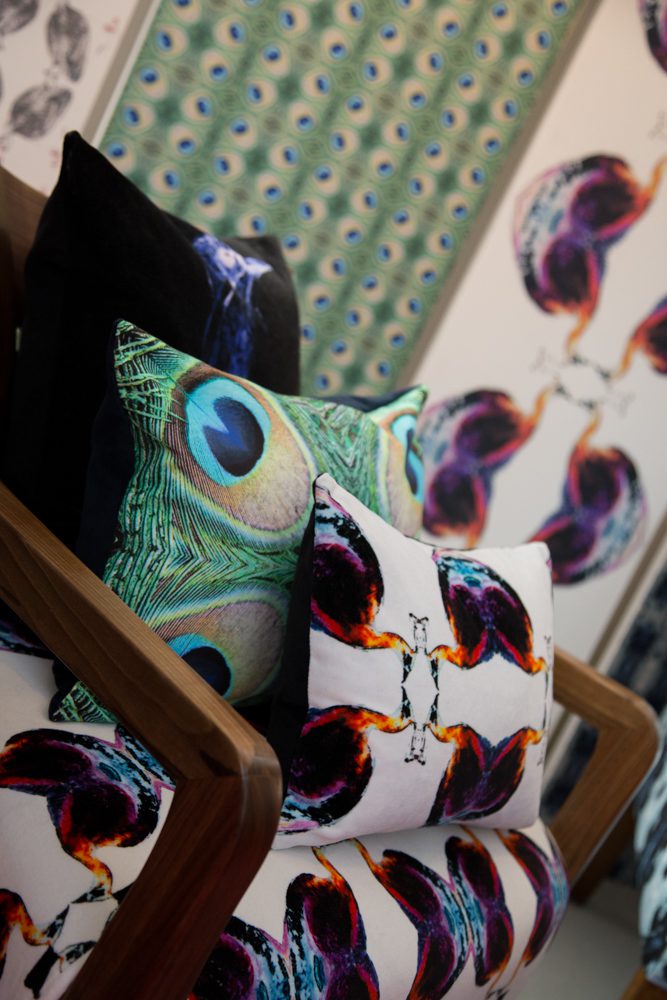
Lighting added another dimension to the presentation. Pendant lights, floor lamps and sculptural lighting objects were presented as both functional products and sources of atmosphere. The interaction between light, surface and surrounding space gave each piece a changing visual character. Colour also played an important role. Neutral furniture could be placed against vivid walls or patterned surfaces, while brightly coloured objects became focal points within otherwise restrained interiors. Materials provided another layer of interest. Timber, metal, glass, textiles and synthetic materials each offered their own textures and reflective qualities, creating plenty for the camera to explore.
Design in Context
Perhaps the most interesting aspect of Design Junction was the way products were presented in context. Rather than photographing an object against an entirely neutral background, the exhibition allowed designers to create miniature environments around their work. Rugs, furniture, lighting, shelving and accessories interacted with one another, demonstrating how individual products could work together within a contemporary interior. This approach reflects the way design is experienced in everyday life. A chair is not simply a chair; it exists within a room, alongside light, colour, texture and other objects.
CARRO Studio Behind the Lens
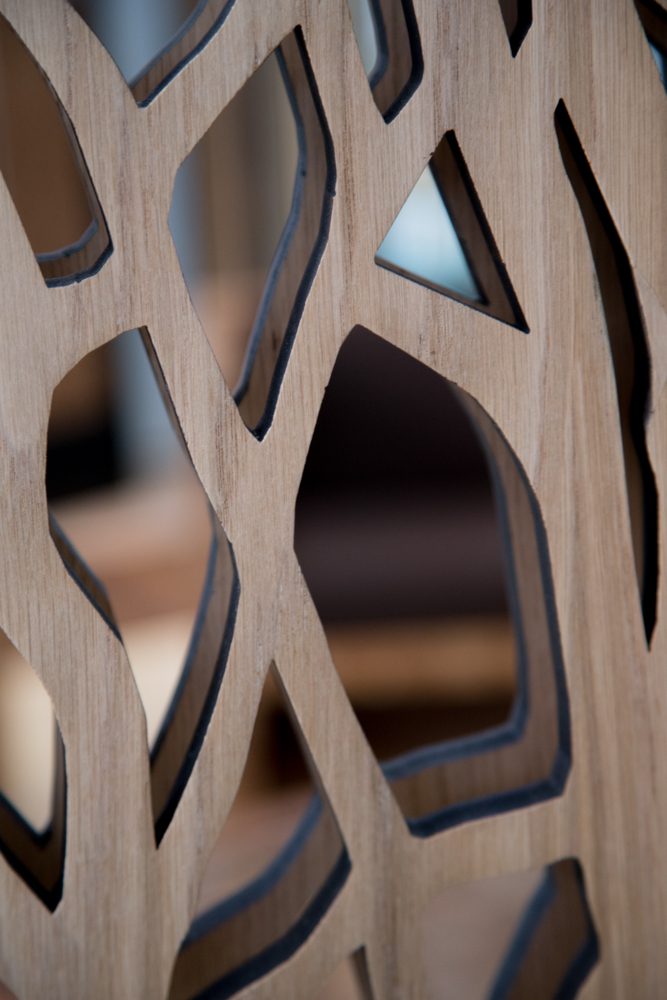
For CARRO Studio, Design Junction offered an opportunity to photograph design as both object and environment. The images can focus closely on the construction of an individual piece, revealing texture, material and finish, before stepping back to show how it interacts with the surrounding space. The exhibition setting also provides strong opportunities for composition. Geometric furniture, architectural backgrounds, cables, lighting structures and carefully arranged displays all become part of the visual language. Photography therefore becomes another form of design documentation; isolating details while also preserving the atmosphere of the event.
Where Creativity Meets Function
Design Junction demonstrated the breadth of contemporary design by bringing different disciplines into the same environment. Furniture, lighting, accessories and installations could be viewed together, revealing connections between industrial design, interiors and visual culture. The result was a showcase built around experimentation and practicality, where the simplest object could become visually striking through proportion, material or presentation. Through CARRO Studio’s lens, Design Junction becomes more than a record of products. It becomes a portrait of contemporary design itself, functional, inventive, tactile and deeply connected to the spaces in which we live.
0 Comments