
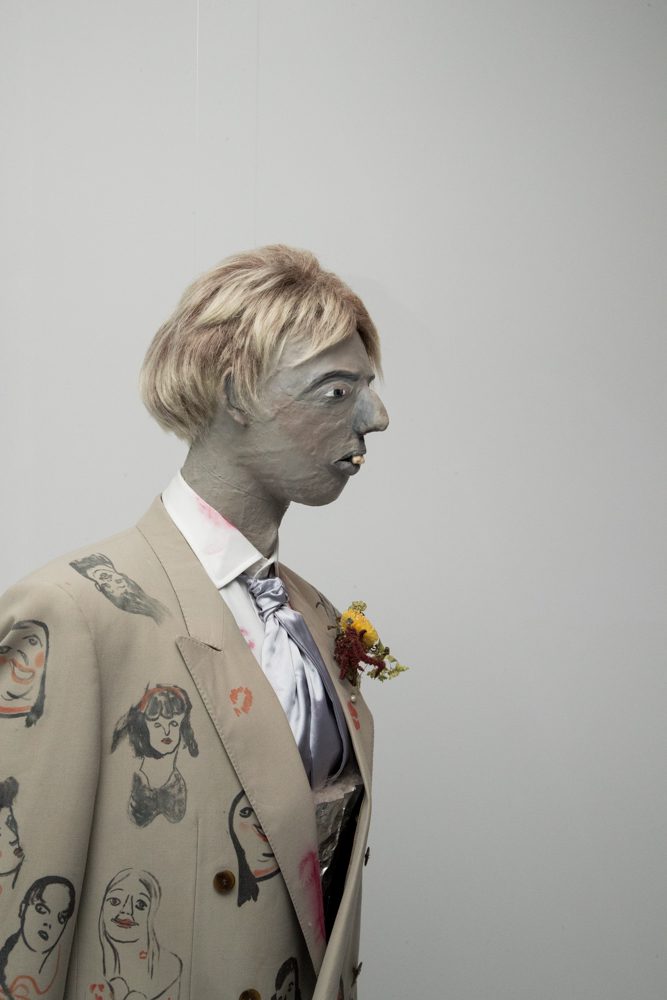
Claire Barrow has always occupied an unusual position within London fashion. Her work sits somewhere between clothing, painting, performance and contemporary art, with garments functioning as canvases for hand-drawn imagery, fragmented ideas and instinctive mark-making. By this point in her career, that relationship between fashion and art had become even more central to her practice. Rather than presenting a conventional runway collection, Barrow’s work around London Fashion Week was experienced through Dancing with Dreams: an immersive installation combining clothing, film, sculpture and performance. The approach reflected her decision to step outside the traditional seasonal fashion system and allow the creative work to develop on its own terms.
Clothing as Canvas
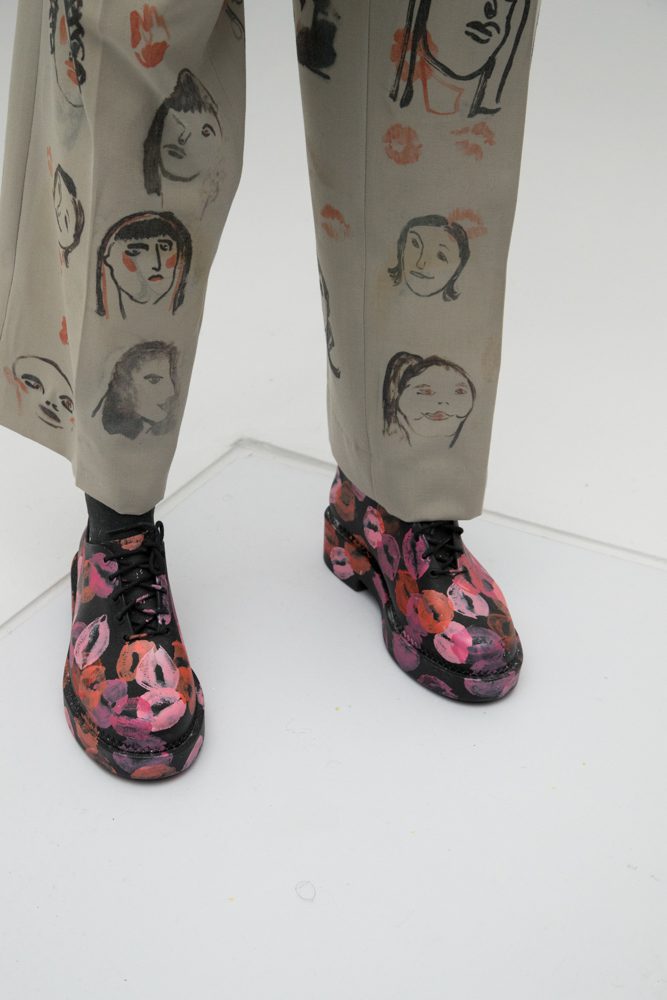
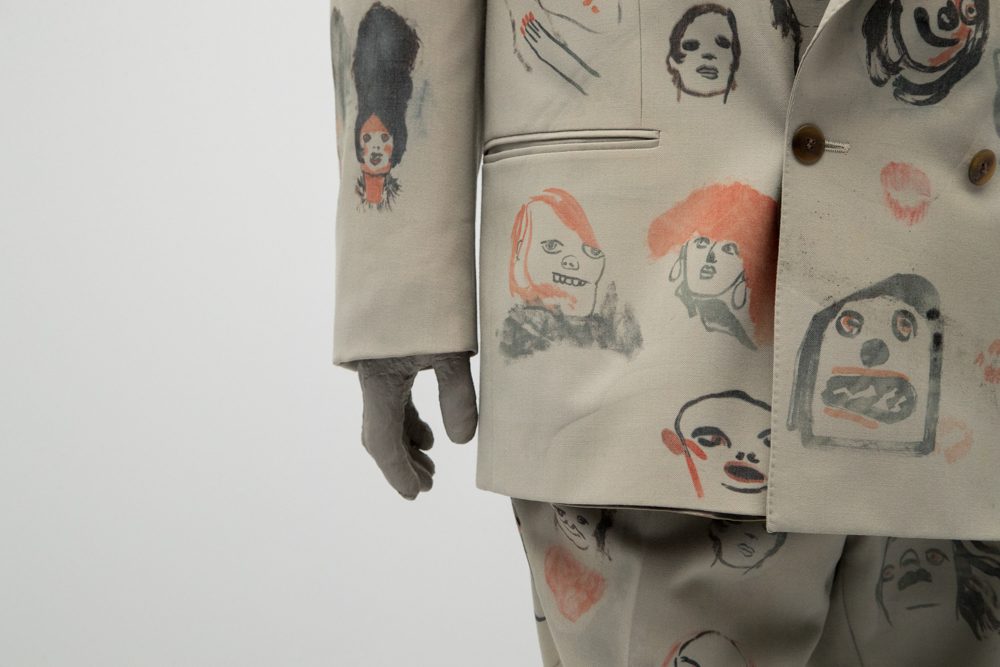
At the heart of Barrow’s aesthetic is the idea that clothing can become a canvas. Her signature hand-painted illustrations had previously appeared across unisex leather and silk garments, giving each piece an individuality that deliberately resists the uniformity of mass-produced fashion. Her drawings often have a raw, instinctive quality, distorted figures, faces, symbols and fragments that feel closer to contemporary painting than conventional textile decoration. This makes each garment feel personal. Rather than simply following a trend, the clothing carries evidence of the artist’s hand.
The Imperfect Beauty of DIY
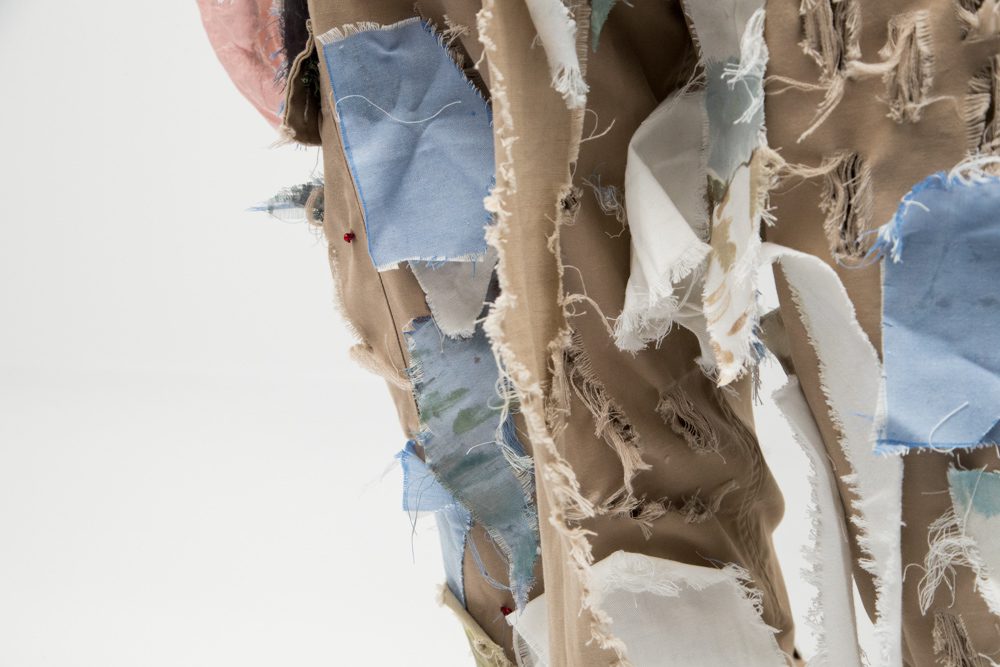
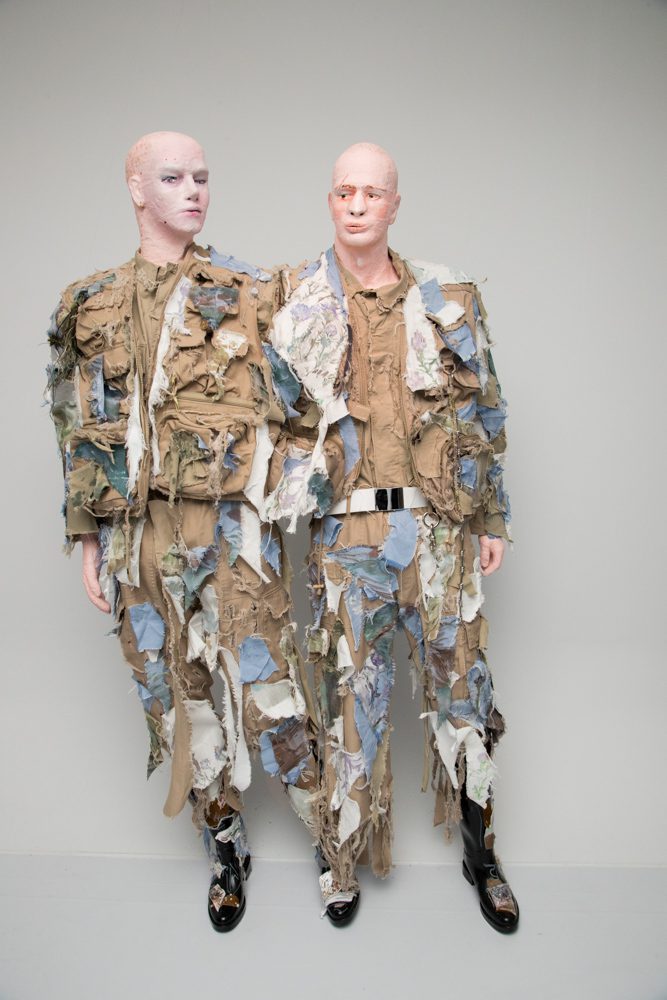
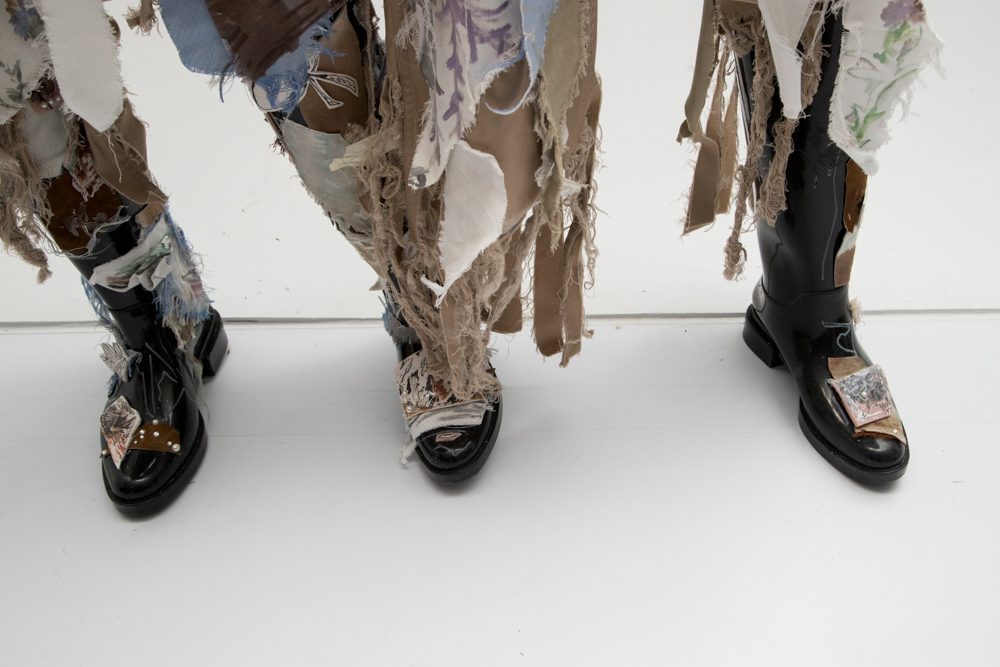
Barrow’s work has long embraced imperfection. Frayed edges, irregular layering, hand-painted surfaces and deliberately unfinished-looking details form part of an aesthetic that feels rebellious and deeply connected to London’s independent fashion culture. Her approach has been described as a DIY interpretation of punk, but there is also a strong artistic discipline beneath the apparent spontaneity. The tension between roughness and craftsmanship is one of the reasons the clothing remains so distinctive.
From Fashion to Installation
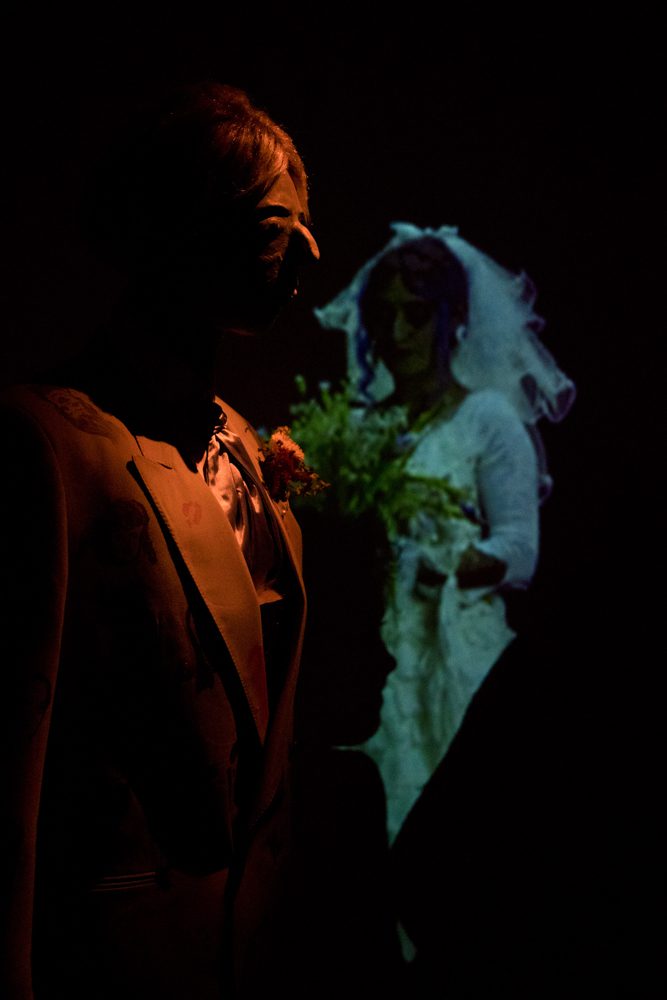
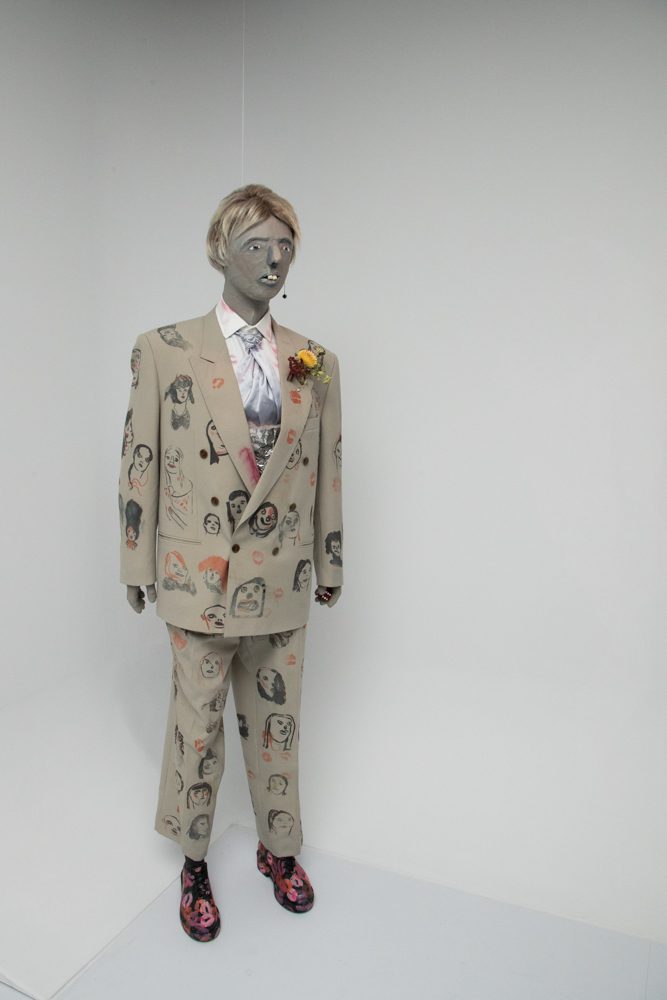
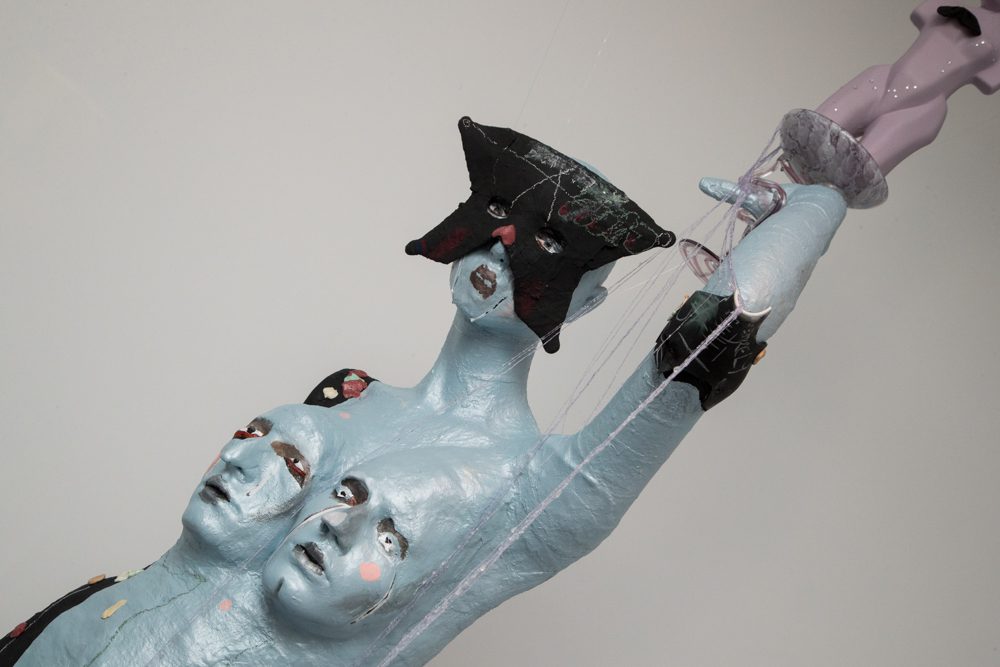
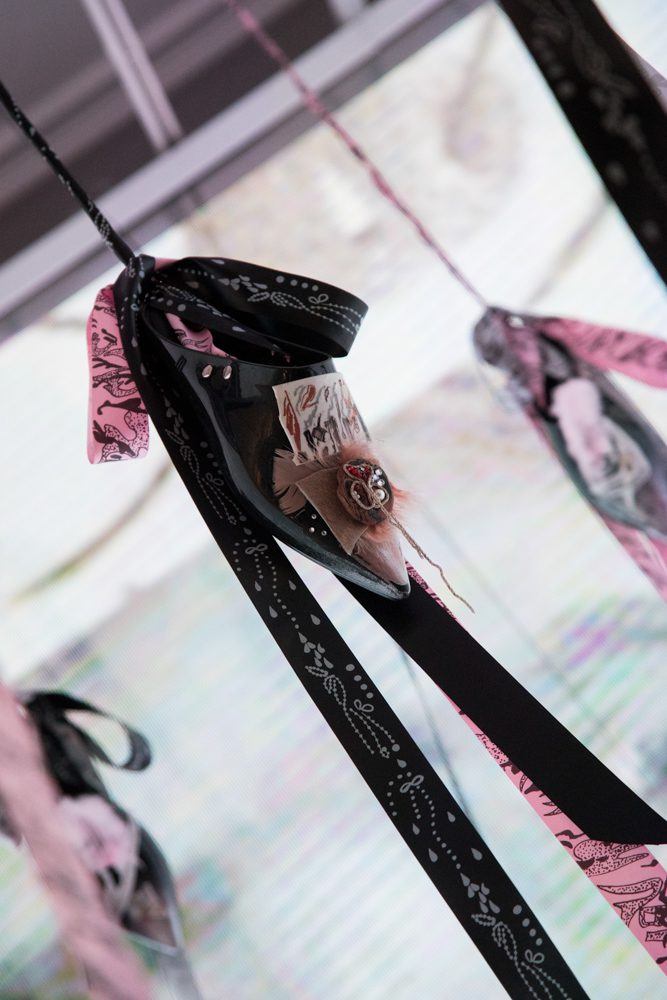
The move away from a traditional catwalk allowed Barrow to expand the world surrounding the garments. Dancing with Dreams brought together five life-size clay sculptures, film projections and performers wearing costumes designed by Barrow. The clothes incorporated her artwork alongside pearls, feathers, ribbons and beads, creating costumes that belonged as much to the characters and narrative of the installation as they did to the fashion world. It was fashion presented as an environment rather than simply a sequence of looks. Barrow designed the costumes around a group of individual characters, deliberately avoiding one fixed silhouette or overarching historical reference. Instead, the garments reflected the personalities within the project. This gave the clothing an expressive quality, allowing different textures, embellishments and proportions to communicate character. The result was closer to costume design and visual storytelling than conventional seasonal dressing, an approach that reinforced Barrow’s belief that fashion and art do not need to exist as separate disciplines.
Beyond Nostalgia
Barrow had become increasingly interested in moving away from the familiar practice of looking backwards for inspiration. Rather than constructing collections around obvious historical references, she described a desire to draw ideas from her subconscious. The result was work that felt less concerned with recreating a particular decade and more interested in creating its own visual world. That distinction is important. Barrow’s designs may contain echoes of punk, subculture and outsider art, but they are not simply reproductions of those movements. They transform those influences into something much more personal.
Fashion, Identity and the Digital World
There was also a deeper conceptual thread running through the project: the relationship between physical and digital identity. Barrow explored how people behave differently online and in person, and how quickly assumptions can form around the way someone looks. The characters within Dancing with Dreams were intentionally open to interpretation, encouraging viewers to question the identities they construct for other people. Fashion therefore became part of a much wider conversation about appearance, identity and human interaction.
The Beauty of the Unconventional
Barrow’s work demonstrates that fashion does not always need to be conventionally beautiful to be visually compelling. Its strength comes from personality, texture, imperfection and imagination. A hand-painted garment can carry the intimacy of an artwork; an embellished costume can suggest an entire character; a distorted illustration can communicate an emotion more powerfully than a traditional print. That freedom is what gives Barrow’s work its unmistakable London character.
CARRO Studio Behind the Lens
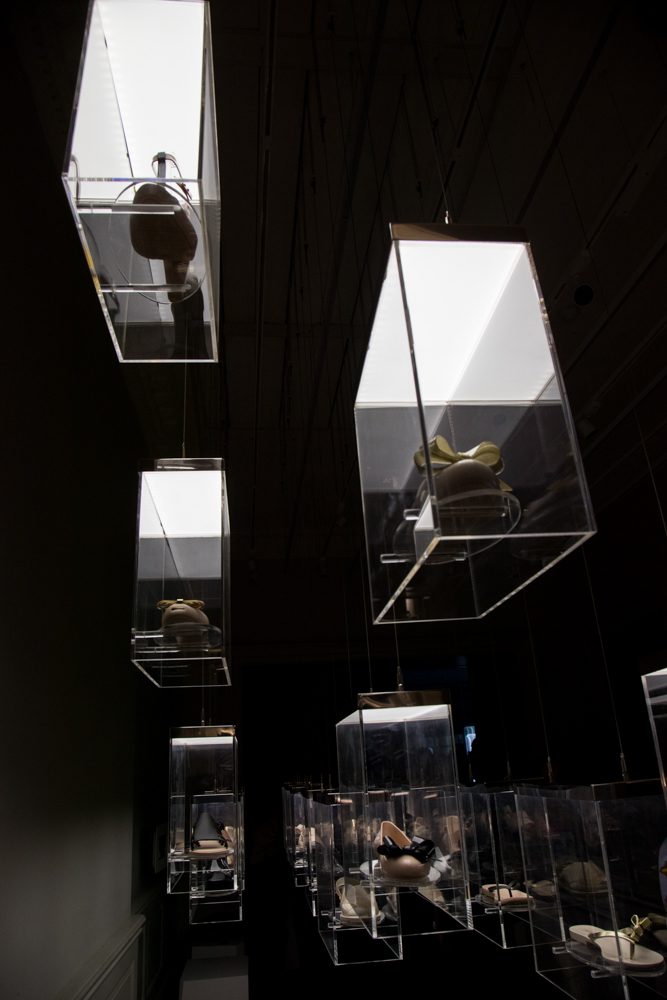
CARRO Studio’s photography provides a natural extension of this relationship between fashion and art. Barrow’s garments are rich in visual information, painted surfaces, unusual proportions, embellishment and expressive details all reward close observation. Photography allows these elements to be isolated and preserved, transforming fleeting fashion moments into a lasting visual archive. The images capture the individuality that sits at the heart of Barrow’s work: clothing that feels made rather than manufactured, expressive rather than prescribed. Claire Barrow’s work challenges the idea that fashion must exist within a conventional runway format. By bringing together painting, clothing, sculpture, film and performance, she created a practice in which the garment becomes only one part of a much larger artistic language. Her work around London Fashion Week demonstrated that fashion can be a starting point for storytelling, character and experimentation rather than simply a vehicle for seasonal trends. For CARRO Studio, it is precisely this intersection of disciplines that makes Barrow’s work so compelling to photograph, fashion not simply as something to wear, but as art that can be lived, inhabited and remembered.
0 Comments