
Fashion as Art
The Influence of the East
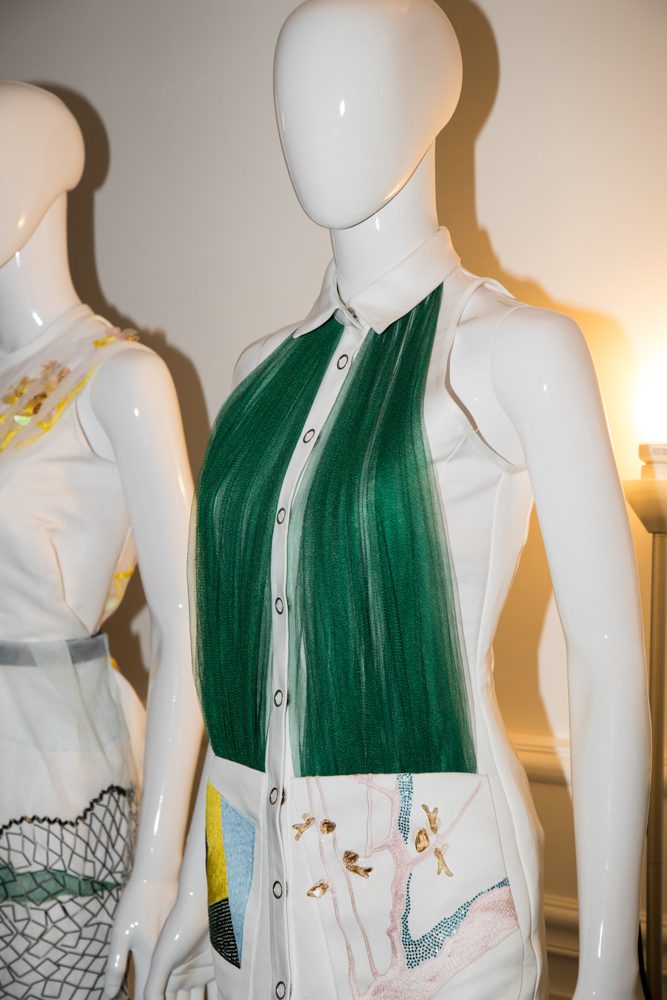
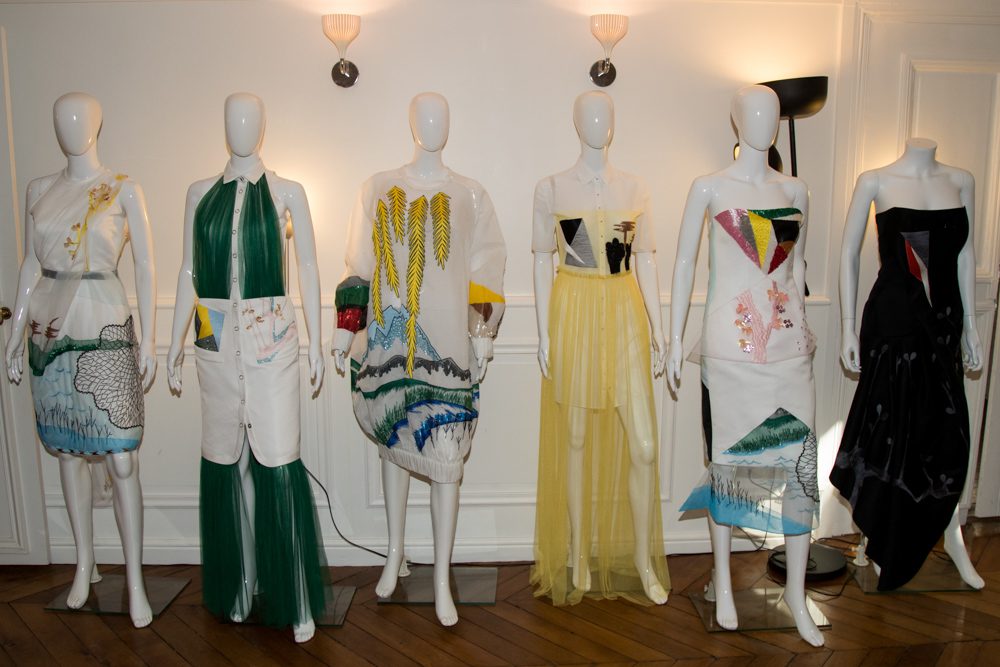
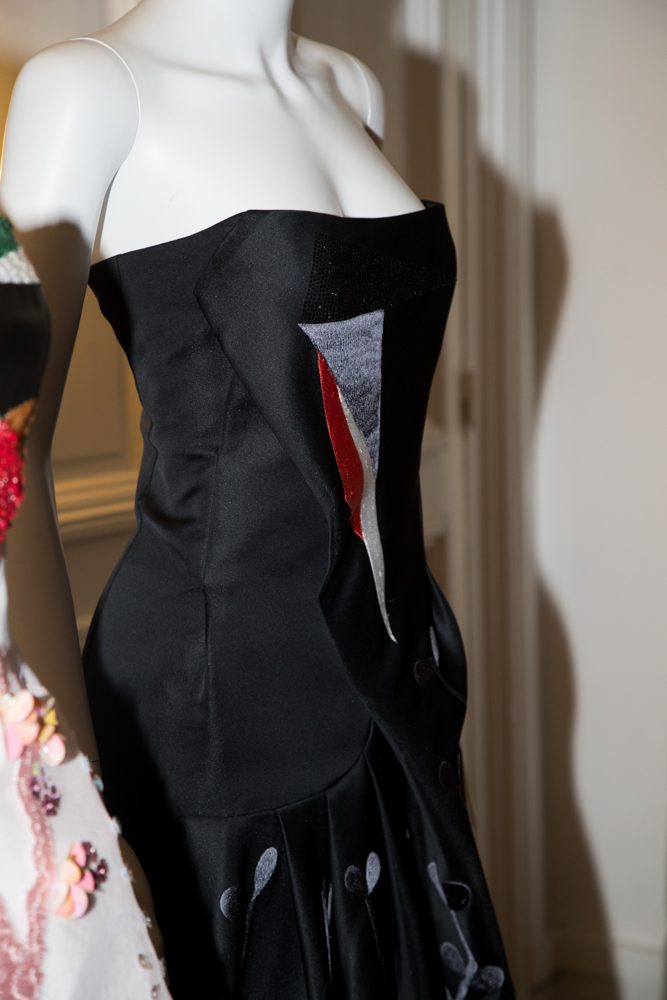
Chandran’s approach blurred the boundary between clothing and artwork. Strong linear forms and unexpected angles were placed against softer natural imagery, creating a tension between organic and geometric shapes. The collection’s silhouettes remained relatively clean, allowing the surface decoration and construction to provide much of the visual impact. Bustier dresses and bomber-inspired tops demonstrated this contrast particularly well, combining defined shapes with lighter, more fluid materials.
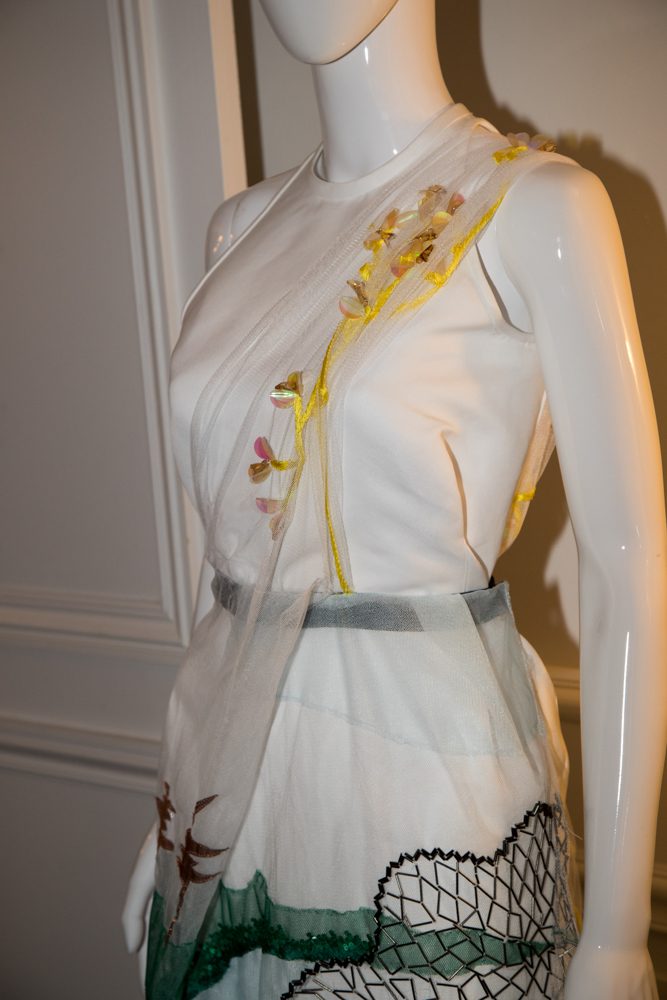
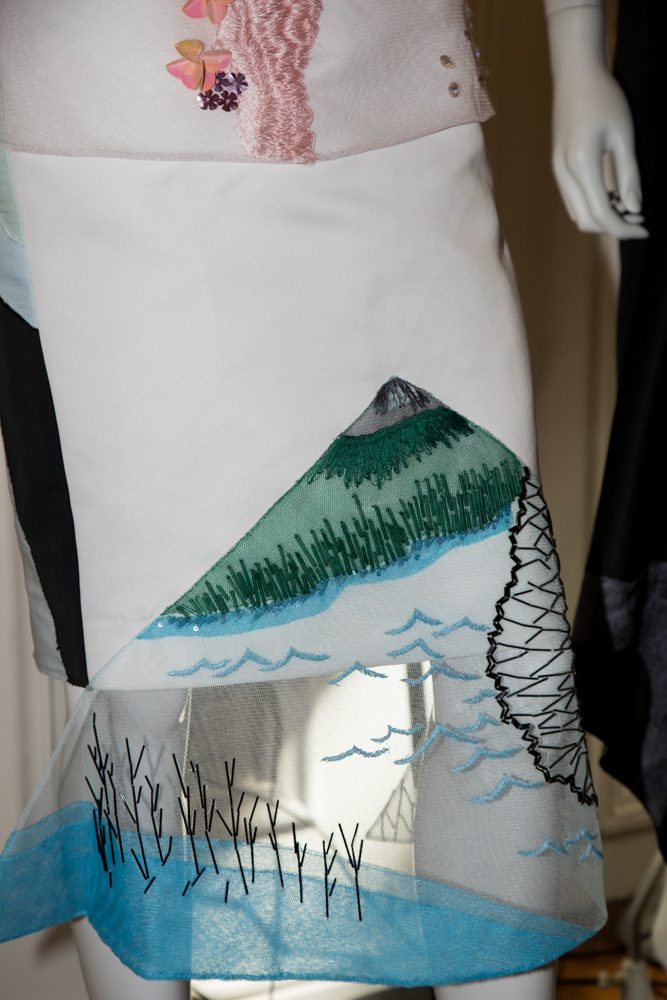
Eastern influence has long been an important part of Chandran’s design language. His work is recognised for combining contemporary European silhouettes with elements drawn from Malaysian and wider Asian traditions, creating a distinctive dialogue between cultures. For this collection, the Japanese-inspired references gave the clothing an almost painterly quality. Landscapes, botanical elements and the suggestion of cherry blossoms were translated into fashion rather than reproduced literally, creating something that felt both familiar and abstract.
Embellishment and Craftsmanship
Detail was at the heart of the collection. Hand-worked embroidery, rich embellishment and crystal beadwork transformed otherwise simple surfaces into intricate compositions. These techniques are particularly important to Chandran’s aesthetic. The designer has built a reputation around combining couture craftsmanship with contemporary construction, creating garments that can feel dramatic without losing their sense of wearability. The juxtaposition of plain fabric with highly decorated sections gave the pieces a strong graphic quality. Texture becomes part of the silhouette, with embellishment helping to define the way the eye moves across each garment.
Lightness and Movement
Despite the elaborate craftsmanship, there was a sense of lightness running through the collection. Cotton and premium netting were among the materials used, helping to create garments with movement and a distinctly contemporary feel. This balance is one of the most appealing elements of Chandran’s work. Structured cuts can be softened by fluid fabric, while ornate decoration is set against clean areas of the garment. The result is clothing that feels carefully engineered but still alive when worn.
CARRO Studio Behind the Lens
CARRO Studio’s photography captures the meeting point between structure and artistry. The images allow the viewer to appreciate the details that can easily disappear within the movement of a fashion presentation; the precision of a neckline, the relationship between contrasting shapes and the craftsmanship of the surface decoration. For a collection so closely connected to art, photography becomes an important part of the story. The camera freezes the details, giving the viewer time to appreciate the construction and the visual language behind each look. Bernard Chandran’s collection demonstrates how cultural references can be transformed into something thoroughly contemporary. Japanese artistic influences, abstract geometry, couture techniques and modern silhouettes come together without losing their individual identities. Through CARRO Studio’s lens, the collection becomes a study in shape, craftsmanship and wearable art; a celebration of a designer who continues to bring together Eastern heritage and contemporary international fashion.
0 Comments